Evidence-led journal · Healthy ageing
Carnosine and healthy ageing: what the research shows
Carnosine is often sold as an anti-ageing molecule. We look at what it does in muscle, how levels change with age, and what human studies can and cannot yet tell us.

The short answer
What you need to know
Carnosine is a dipeptide made from beta-alanine and histidine, stored mainly in skeletal muscle and the brain. It helps buffer acid during hard exercise and has antioxidant and anti-glycation properties in laboratory studies. Muscle carnosine tends to be lower in older adults, and small human trials in ageing populations are encouraging, but current evidence does not establish that carnosine slows ageing in people.
At a glance
Key takeaways
- Carnosine is a natural dipeptide concentrated in muscle, where it acts as an intracellular acid buffer.
- Muscle carnosine levels have been reported to be lower in older adults, women and vegetarians.
- Beta-alanine supplementation has raised muscle carnosine in adults aged 60 to 80 in a controlled trial.
- Early human studies on memory and glucose metabolism are small; the anti-ageing story remains unproven.
- Regular strength and movement training remain the best-supported habits for ageing well.
What carnosine actually is
Carnosine (beta-alanyl-L-histidine) is a small molecule made from two amino acids, beta-alanine and histidine. Your body produces it, and it is also found in meat and fish. Most of it is stored in skeletal muscle, with smaller amounts in the brain, heart and other tissues.
Scientists have studied carnosine for more than a century. A comprehensive review in Physiological Reviews describes its main recognised roles: buffering hydrogen ions in muscle, binding certain metal ions, and acting against reactive oxygen species and reactive aldehydes in laboratory settings. Those last properties are where much of the healthy-ageing interest comes from.
One point worth knowing early: the body makes carnosine inside muscle, and the limiting ingredient is usually beta-alanine rather than histidine. That is why most human research on raising muscle carnosine uses beta-alanine supplements rather than carnosine itself.
Why ageing researchers are interested
Ageing is associated with gradual changes in muscle mass, strength, metabolic health and cellular stress. Two processes researchers often discuss are oxidative stress and glycation, where sugars react with proteins and form compounds known as advanced glycation end-products. Carnosine has been shown in cell and animal studies to interfere with some of these reactions.
Alan Hipkiss, one of the most prolific writers on the subject, proposed in a 2009 review that carnosine could be relevant to age-related protein damage. That review is valuable for understanding the hypothesis, but much of the supporting evidence came from test tubes, cultured cells and short-lived organisms, not from long-term human trials.
There is also a simple observational finding. A study of human muscle biopsies published in Amino Acids in 2011 reported that increasing age, female sex and vegetarian diet were associated with lower muscle carnosine. Lower is not automatically harmful, but it raises a sensible question about whether carnosine status matters as we get older.
An interesting mechanism is not the same thing as a proven outcome.
What the human evidence says
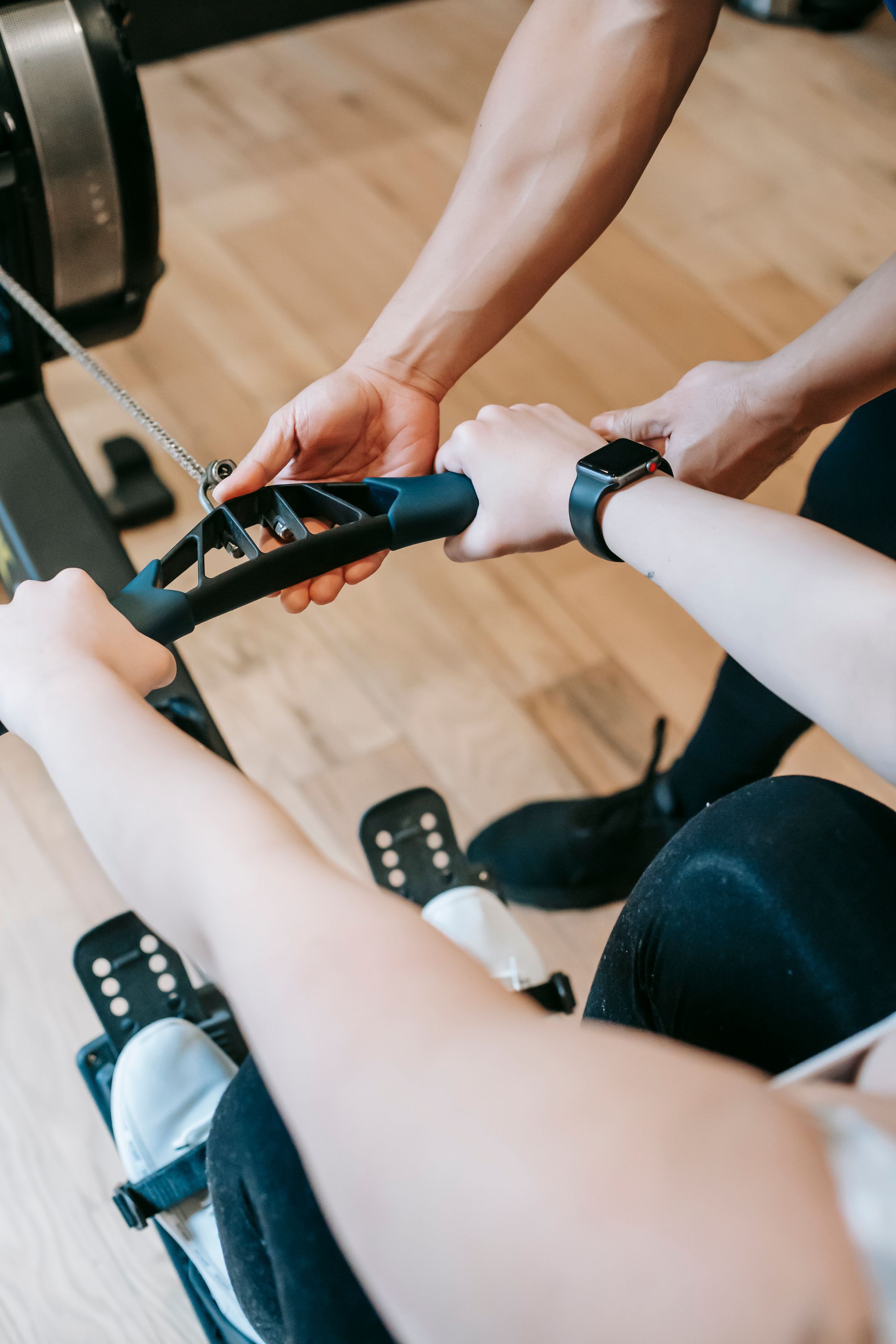
The most direct evidence in older people concerns muscle levels. In a double-blind trial published in 2012, adults aged 60 to 80 who took beta-alanine for 12 weeks showed higher muscle carnosine and improved performance on a constant-load cycling test compared with placebo. The group was small, and the outcome measured was exercise capacity rather than long-term health.
Research on younger athletes is more developed. A 2017 meta-analysis in the British Journal of Sports Medicine concluded that beta-alanine supplementation improves exercise capacity, mainly in efforts lasting roughly 30 seconds to 10 minutes. That supports the buffering role of carnosine, but it says little about ageing itself.
Beyond muscle, the evidence becomes thinner. A Japanese randomised trial in older adults found that a combination of anserine and carnosine was associated with better scores on one verbal memory measure. A small pilot trial published in Obesity in 2016 reported that carnosine supplementation may help preserve insulin sensitivity in overweight adults. Both studies were short and modest in size, and neither has been widely replicated.
There is also a practical complication. Human blood contains an enzyme called serum carnosinase that breaks down carnosine quickly, which is one reason oral carnosine behaves differently in people than it does in rodents. The honest summary is that current evidence does not yet establish that carnosine slows ageing or prevents age-related disease in humans.
Where The Carnosine Club fits
One of the questions we hear most often is whether carnosine is worth paying attention to at all. Our view is that it is a genuinely interesting molecule with a clear physiological role in muscle, surrounded by marketing that often runs well ahead of the data. Our job is to separate the two.
That is why we publish summaries of the studies themselves on our research page, explain the limitations alongside the findings, and avoid promising outcomes that the evidence does not support. If you are curious about products that relate to exercise and recovery, we would rather you understand the science first and decide for yourself.
Practical considerations for ageing well
If your goal is healthy ageing, the most robust evidence still points to habits rather than single molecules. The UK Chief Medical Officers' physical activity guidelines recommend that adults do muscle-strengthening activity on at least two days a week and build up to 150 minutes of moderate activity weekly, with balance and flexibility work particularly valuable for older adults.
Because muscle is where carnosine lives, keeping muscle healthy through regular resistance training is a sensible foundation whatever the future research shows. Diet matters too: meat and fish provide carnosine and its building blocks, while people following plant-based diets rely entirely on the body's own production.
If you are considering a supplement, speak with your GP or pharmacist first, especially if you take regular medication, are pregnant, or manage a long-term condition. Beta-alanine commonly causes a harmless tingling sensation called paraesthesia, and higher single doses make it more likely.
- Prioritise strength training twice a week and regular walking.
- Treat bold anti-ageing claims with caution and ask for the human study behind them.
- Check supplements with a healthcare professional before starting.

Common questions
Frequently asked
What is carnosine?
Carnosine is a dipeptide made from beta-alanine and histidine. It is produced in the body, stored mostly in skeletal muscle, and helps buffer acid during intense exercise.
Does carnosine slow ageing?
Not proven. Laboratory studies show antioxidant and anti-glycation effects, and small human trials are encouraging, but no long-term human trial has shown that carnosine slows ageing.
Do carnosine levels fall with age?
Muscle biopsy research has associated older age with lower muscle carnosine. Female sex and vegetarian diets were also associated with lower levels.
Is beta-alanine the same as carnosine?
No. Beta-alanine is one of the two building blocks of carnosine. Taking beta-alanine raises muscle carnosine because it is usually the limiting ingredient.
Who should be cautious?
Anyone who is pregnant, breastfeeding, taking regular medication or managing a medical condition should speak with a GP or pharmacist before using supplements.
Evidence desk
Sources & further reading
Sources are selected for relevance and scientific credibility. This article is educational and is not medical advice.
- 01Physiology and pathophysiology of carnosine (Boldyrev, Aldini, Derave)Physiological Reviews, 2013
- 02Carnosine and its possible roles in nutrition and health (Hipkiss)Advances in Food and Nutrition Research, 2009
- 03Vegetarianism, female gender and increasing age are associated with reduced muscle carnosine (Everaert et al.)Amino Acids, 2011
- 04Beta-alanine supplementation in elderly subjects (60–80 years) (Del Favero et al.)Amino Acids, 2012
- 05Beta-alanine supplementation to improve exercise capacity: a meta-analysis (Saunders et al.)British Journal of Sports Medicine, 2017
- 06Effect of anserine/carnosine supplementation on verbal episodic memory in elderly people (Hisatsune et al.)Journal of Alzheimer's Disease, 2016
- 07Effects of carnosine supplementation on glucose metabolism: pilot clinical trial (de Courten et al.)Obesity, 2016
- 08UK Chief Medical Officers' physical activity guidelinesGOV.UK, 2019